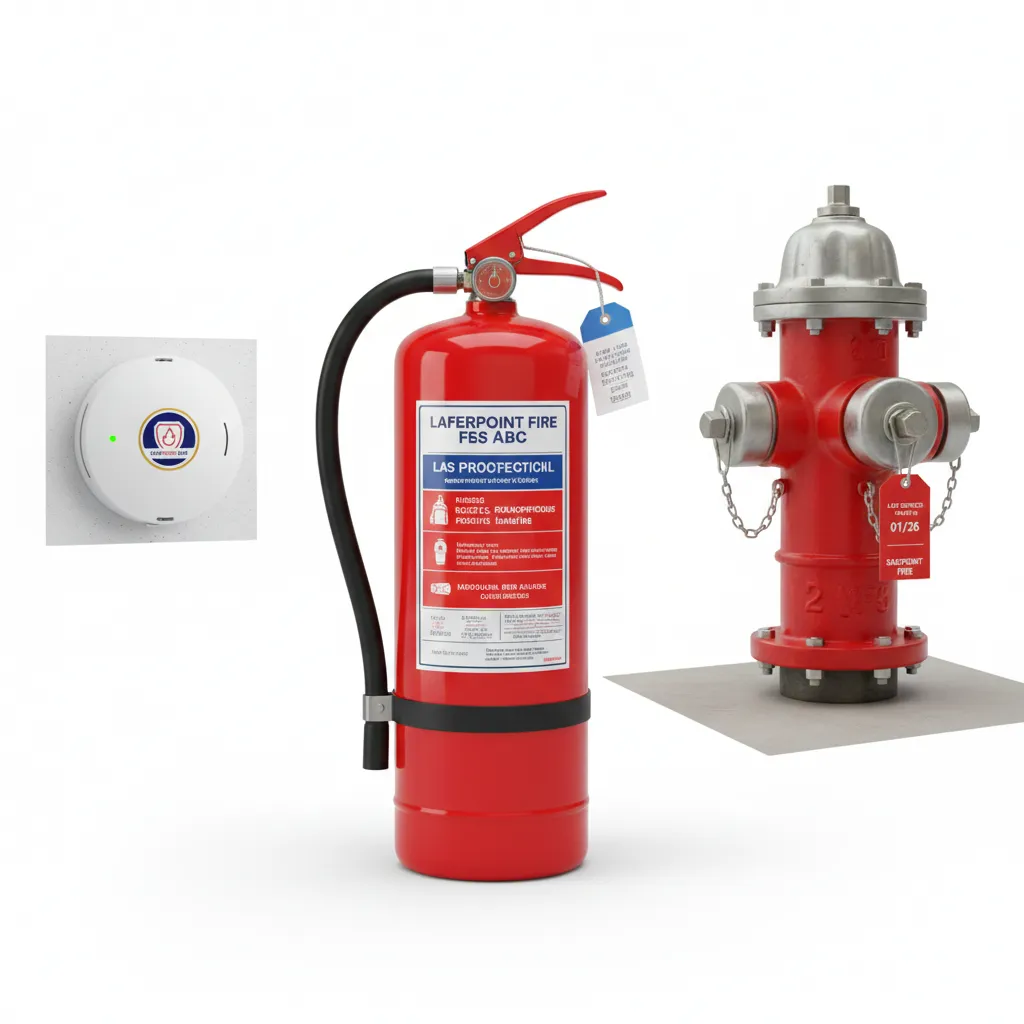
Know different types of fire extinguishers, their uses, and how to choose the right one for your building.
Using the wrong fire extinguisher can be dangerous. Here’s a simple guide:
| Fire Class | Extinguisher Type | Use |
|---|
| Class A | Water / Foam | Paper, wood |
| Class B | Foam / CO₂ | Oil, fuel |
| Class C | CO₂ / Dry Powder | Electrical |
| Class D | Dry Powder | Metals |
| Class K | Wet Chemical | Kitchens |
Every building must install correct extinguishers as per risk assessment.
🧯 Main Types of Fire Extinguishers and Their Uses
1️⃣ Water Fire Extinguisher (Class A)
🔹 Best Used For:
- Paper
- Wood
- Cloth
- Cardboard
🔹 How It Works:
Cools the burning material below ignition temperature.
⚠️ Do NOT Use On:
- Electrical fires
- Oil or fuel fires
📍 Common Locations:
- Schools
- Offices
- Residential buildings
2️⃣ Foam Fire Extinguisher (Class A & B)
🔹 Best Used For:
- Flammable liquids (oil, petrol)
- Solid fires
🔹 How It Works:
Forms a blanket over the fire, cutting oxygen supply.
⚠️ Do NOT Use On:
- Electrical fires (unless specified)
📍 Common Locations:
- Fuel storage areas
- Warehouses
- Parking areas
3️⃣ CO₂ Fire Extinguisher (Class B & C)
🔹 Best Used For:
- Electrical equipment
- Flammable liquids
🔹 How It Works:
Displaces oxygen and cools the fire.
⚠️ Limitations:
- No cooling effect → fire may re-ignite
- Less effective outdoors
📍 Common Locations:
- Server rooms
- Electrical panels
- Offices
4️⃣ Dry Powder Fire Extinguisher (ABC Type)
🔹 Best Used For:
- Class A
- Class B
- Class C fires
🔹 How It Works:
Breaks the chemical reaction of fire.
✅ Advantages:
- Versatile
- Quick knockdown
❌ Disadvantages:
- Leaves residue
- Poor visibility during discharge
📍 Common Locations:
- Factories
- Industrial units
- Workshops
5️⃣ Wet Chemical Fire Extinguisher (Class K)
🔹 Best Used For:
🔹 How It Works:
Creates a soap-like layer preventing re-ignition.
📍 Mandatory For:
- Commercial kitchens
- Hotels
- Restaurants
- Canteens
6️⃣ Class D Fire Extinguisher (Metal Fires)
🔹 Best Used For:
- Magnesium
- Sodium
- Potassium
- Aluminum powder
⚠️ Important:
- Highly specialized
- Used only in industrial environments
📍 Common Locations:
- Chemical plants
- Metal processing industries
🎨 Fire Extinguisher Color Codes (India)
| Color | Type |
|---|
| Red | Water |
| Cream | Foam |
| Blue | Dry Powder |
| Black | CO₂ |
| Yellow | Wet Chemical |
(Always verify label and rating before use)
🏢 How to Choose the Right Fire Extinguisher for Your Building
Choosing depends on:
- Nature of activity
- Electrical load
- Flammable materials present
- Floor area
Example:
- Office: CO₂ + ABC Powder
- Factory: ABC Powder + Hydrant system
- Kitchen: Wet Chemical
- Hospital: CO₂ + Water mist
Fire authorities require risk-based placement, not random installation.
⚖️ Legal Requirement in India
As per NBC & Fire Department guidelines:
- Correct type & quantity of extinguishers is mandatory
- Annual servicing required
- Staff training compulsory
- Required for Fire NOC approval
Non-compliance may lead to:
- Fines
- Fire NOC rejection
- Closure notice
🔧 Why Professional Installation Matters
Improper extinguisher selection or placement is a common reason for audit failure.
A certified fire safety company like SafePoint Fire ensures:
- Risk assessment
- Correct extinguisher selection
- Proper mounting & signage
- AMC & refilling
- Compliance documentation
📞 Need Help Selecting Fire Extinguishers?
SafePoint Fire provides:
- Fire extinguisher supply & installation
- Fire safety audits
- Fire NOC assistance
- Annual maintenance contracts (AMC)
👉 Contact SafePoint Fire for a free site assessment.